
Where Love Is Illegal
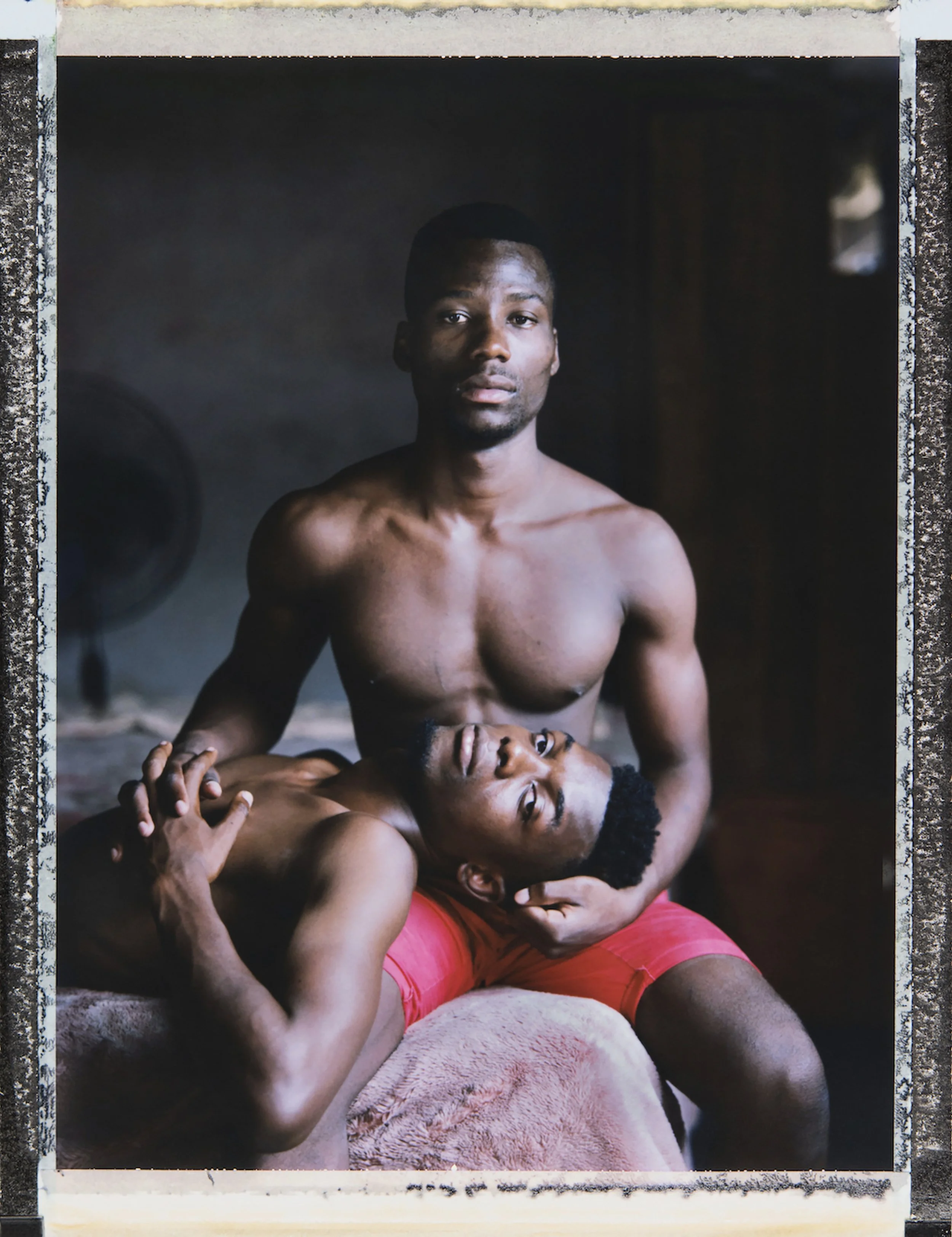
Across the world, LGBTQ+ individuals continue to face profound and often life-threatening challenges. In many countries, same-sex relationships are criminalized, with laws that permit imprisonment, corporal punishment, or even death. Beyond legislative pressures, social stigma such as religious condemnation or political scapegoating expose people to violence, family rejection, and forced invisibility.
Even in places where legal protections exist, discrimination persists in housing, employment, healthcare, and education. For many, safety depends on secrecy, and love itself becomes an act of risk. Political backlashes in recent years have further intensified these threats, as governments and extremist groups frame LGBTQ+ identities as morally corrupting or foreign influences.
Photographer ROBIN HAMMOND confronts this reality in his powerful body of work Where Love Is Illegal. Through intimate portraits and first-person testimonies, Hammond documents the lives of LGBTQ+ people living under criminalization, persecution, and constant fear.
His approach centers collaboration and trust, allowing subjects to speak in their own words about love, survival, and resilience. By combining images with personal narratives, Where Love Is Illegal restores agency to those so often erased or silenced. The work demands empathy rather than voyeurism, insisting that these individuals are not statistics or symbols, but people whose lives, relationships, and dignity remain under threat simply for who they are.
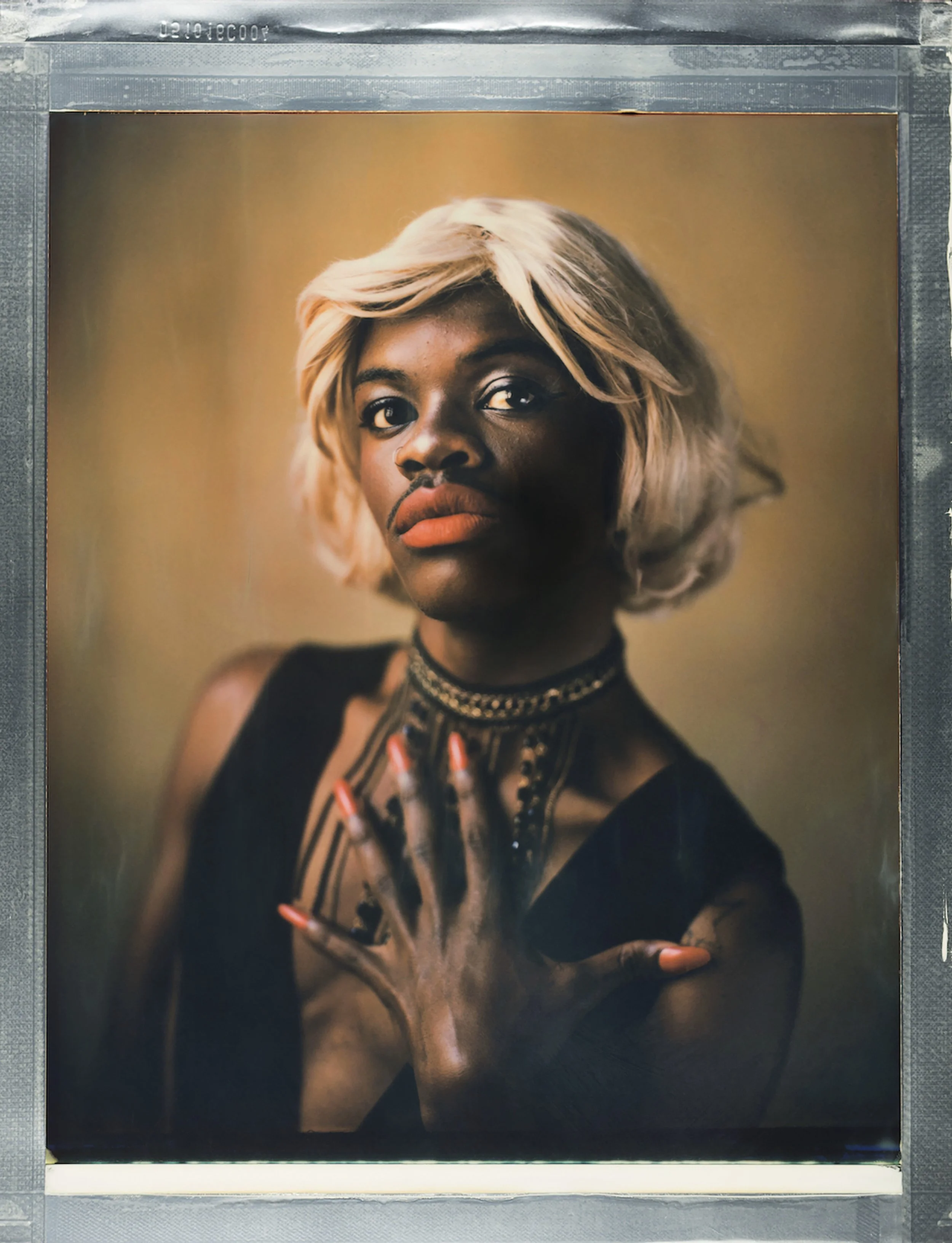
My name is Tasha—not my real name, but the one I use for safety. I’m 21 years old and from Uganda, though now I live in Nairobi, Kenya as a refugee because my family found out I am gay. Growing up, I was always considered “girly,” something my family and community rejected. Other children insulted me, and my parents sent me to boarding school hoping it would change me. As a teenager, my life unraveled quickly. I was expelled from school after being caught exchanging letters with my boyfriend. Soon after, my parents disowned me and alerted the police. When I learned they were searching for me, I fled Uganda, knowing my life was in danger. Living in Nairobi has not brought the safety I hoped for. Life here is extremely difficult. Many of us face constant police harassment, discrimination, and the threat of eviction. Survival often means turning to sex work, which carries its own risks. Language barriers and isolation only deepen the struggle. Depression, fear, and heartbreak are part of daily life, and too often, people lose hope or their lives altogether. Even so, I continue to survive, carrying both the weight of exile and the need to be seen for who I truly am.
-Tasha, Kenya
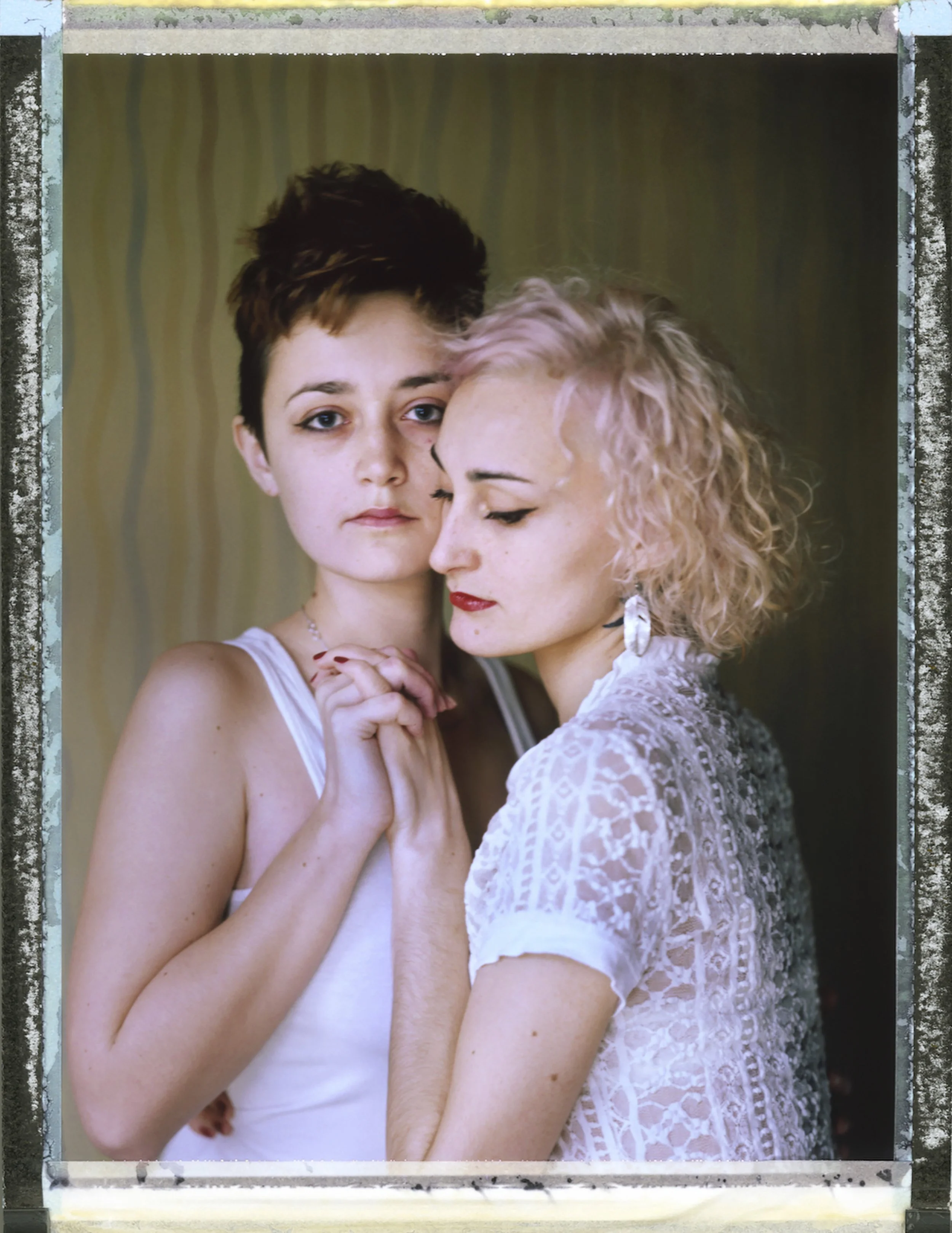
We were coming home late from a jazz concert, happy and relaxed, riding the last subway of the night. There were only a few people on the platform. As we rode the escalator, we held hands and shared a quick kiss. I noticed a crumpled piece of paper fly toward us, but I told myself it was nothing. We took our usual route home, hand in hand. The street was empty, familiar, and I felt no reason to be afraid. Then, without warning, they attacked us from behind. I heard fast footsteps and felt a violent blow to my head. Everything happened so quickly I couldn’t even understand what was happening. I screamed, instinctively lying, saying we were sisters. It didn’t matter. He shouted slurs—“No LGBT”—and kept hitting us while his friend stood nearby, filming. I felt completely helpless. When it was over, they threatened to kill us if they ever saw us again and disappeared into the night. At home, the pain set in—dizziness, nausea, my face and spine aching—but the worst part was the fear. For days I couldn’t leave the house. Even now, I don’t feel free the way I once did. Still, when I take her hand in public, I do it consciously. It is my choice. Holding her hand is my quiet act of courage.
-D&O, Russia