The Invisible Yoke

The Invisible Yoke is MATT EICH’S long-form meditation on class and poverty as a distinctly American condition. Spanning nearly fifteen years, the work moves from intimate community portraits to a broader national reckoning. Across the four books that make up The Invisible Yoke, Eich traces places shaped by industrial decline, racial history, religious faith, and fragile hope. These volumes read like emotional geographies, traveling through small towns, modest homes, and overlooked neighborhoods marked by the lingering effects of economic collapse, stagnant wages, and generational hardship.
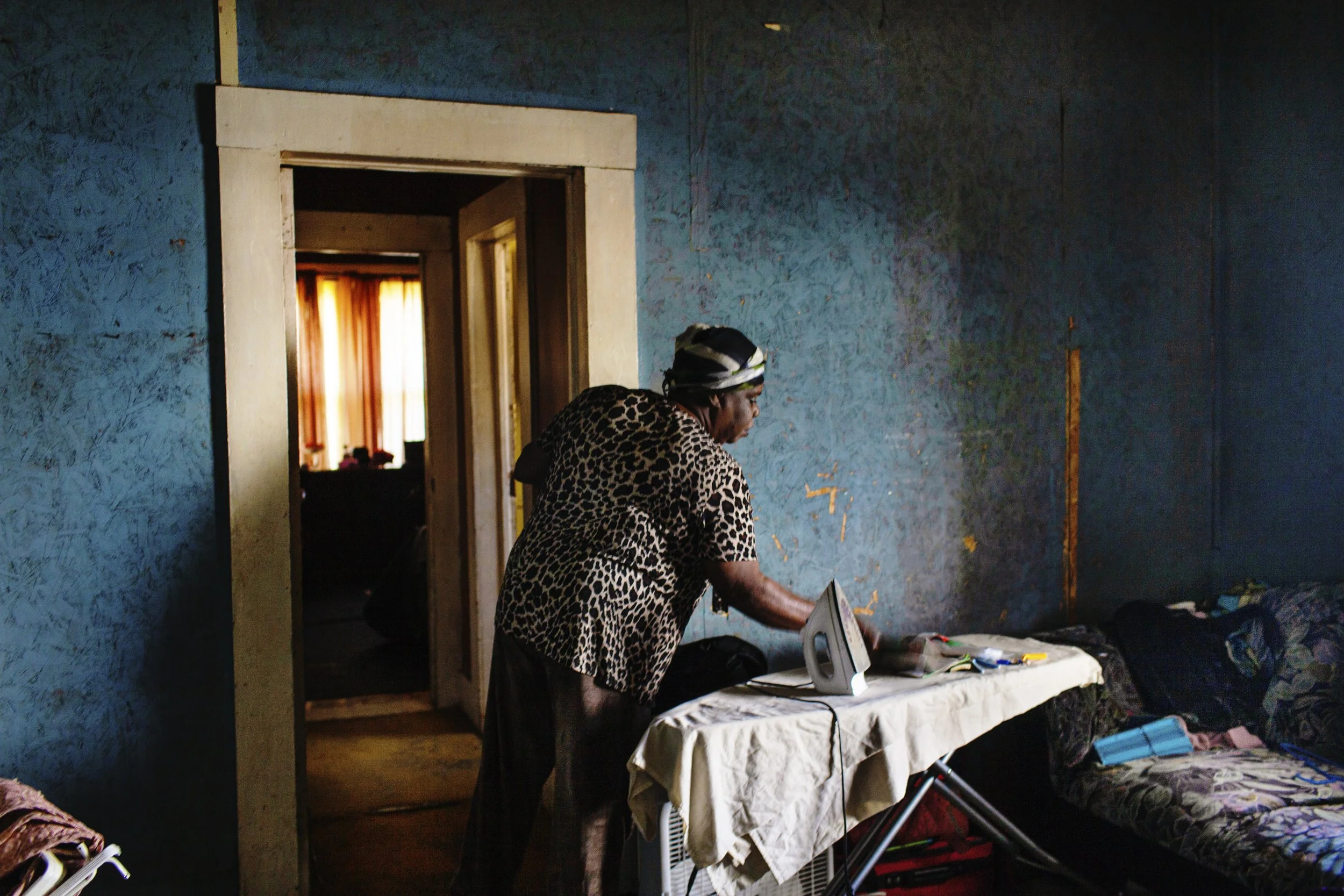
Yet the project resists the familiar clichés of documentary representations of poverty. There are no easy symbols and no didactic explanations. Instead, Eich reveals how economic pressure seeps quietly into domestic spaces, body language, and fleeting gestures. Strain is felt rather than announced.
The “invisible yoke” of the title suggests burdens carried across generations, the afterlives of extraction economies, systemic inequality, and the fading promise of upward mobility. Eich does not depict these forces directly; his portrait is of their psychological residue. In these environments, opportunity feels distant and mobility uncertain, and the American Dream has thinned into a practice of endurance. What emerges is a portrait of class defined less by dramatic crisis than by precarity, a constant negotiation with scarcity, fatigue, and deferred hope.
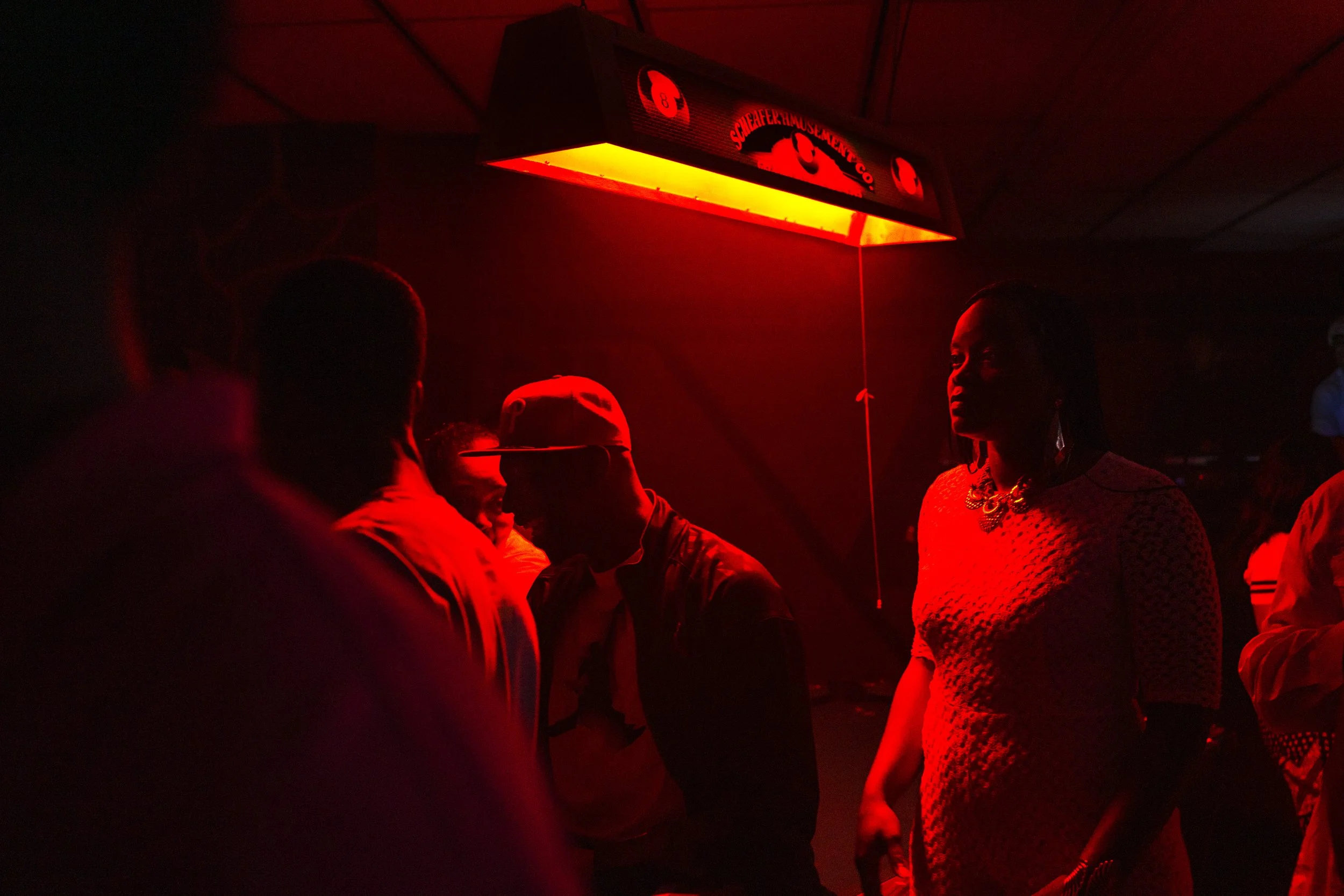
At the same time, Eich remains deeply attentive to dignity and intimacy. Moments of affection, boredom, humor, and tenderness complicate any single narrative of deprivation. Poverty here is not an event but a structure shaping time, relationships, and a sense of self. By lingering in ambiguity, Eich reveals an America where class is quietly inscribed in the rhythms of daily life; in what feels possible, what must be postponed, and what is simply carried forward.