Removed

The smartphone has become one of the defining objects of contemporary life—rarely out of reach and constantly in use throughout the day. Designed to connect people instantaneously across distances, these devices now occupy a central place within the intimate spaces of everyday life. Around dinner tables, in bed, on park benches, and in cars, the nearly unconscious reflex to reach for a phone has become almost automatic. What appears to be connection often produces a different effect: a subtle but growing separation within families, relationships, and communities.
Much of this dynamic is driven by the systems that power the digital platforms themselves. Algorithms developed by companies such as Meta Platforms, Google, and ByteDance are designed to capture and hold attention for as long as possible. Notifications, personalized feeds, and infinite scrolling encourage continual engagement, turning moments of pause into opportunities for consumption. Attention drifts away from the immediate world—away from the people beside us, the environments we inhabit, and the quiet interior spaces of reflection.
The osmotic pull of constant stimulation makes stillness increasingly rare. Time once spent in observation, reflection, conversation, or simple presence is absorbed by an endless flow of content. When every idle moment is filled, the small silences that allow relationships and self-awareness to deepen begin to disappear.
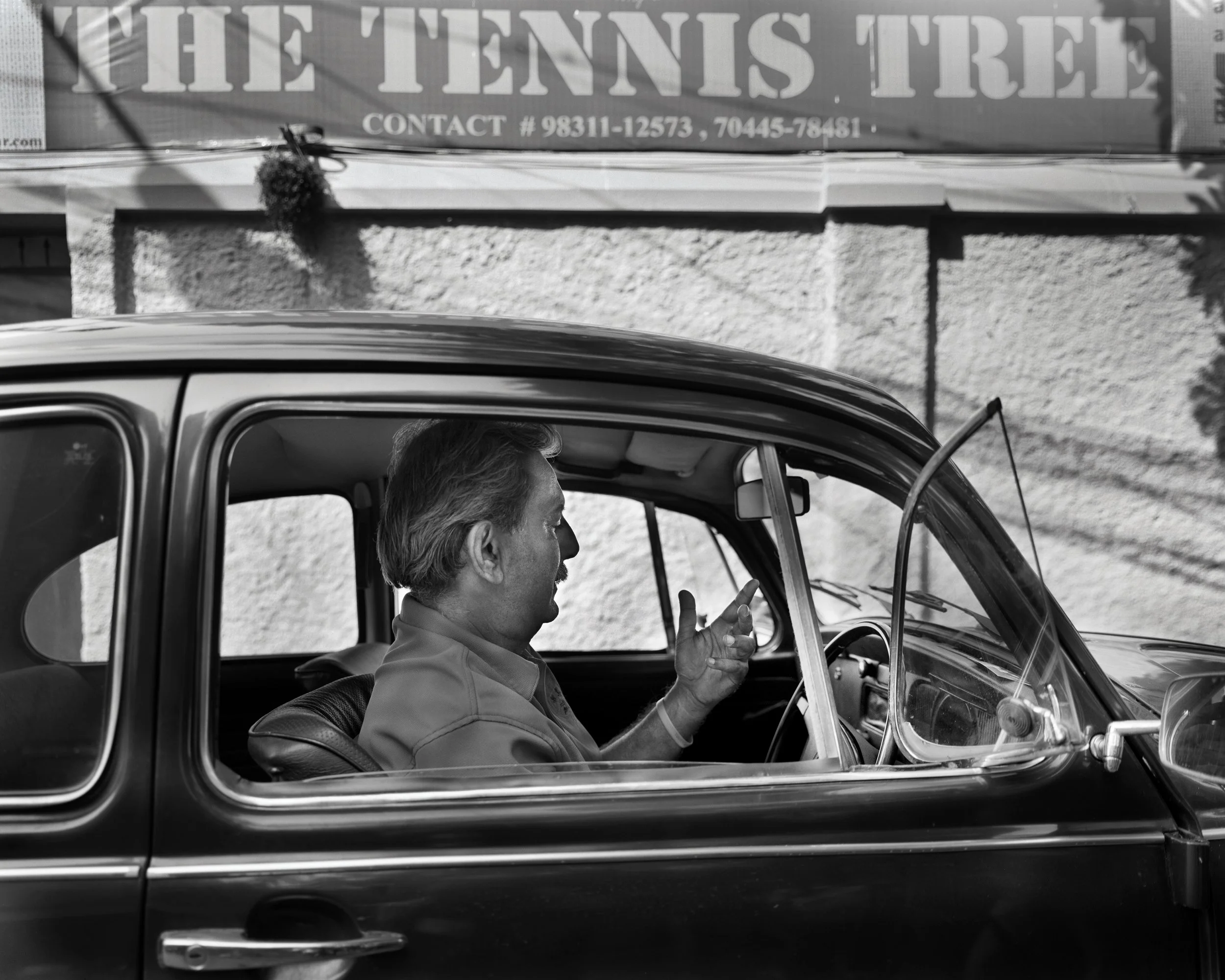
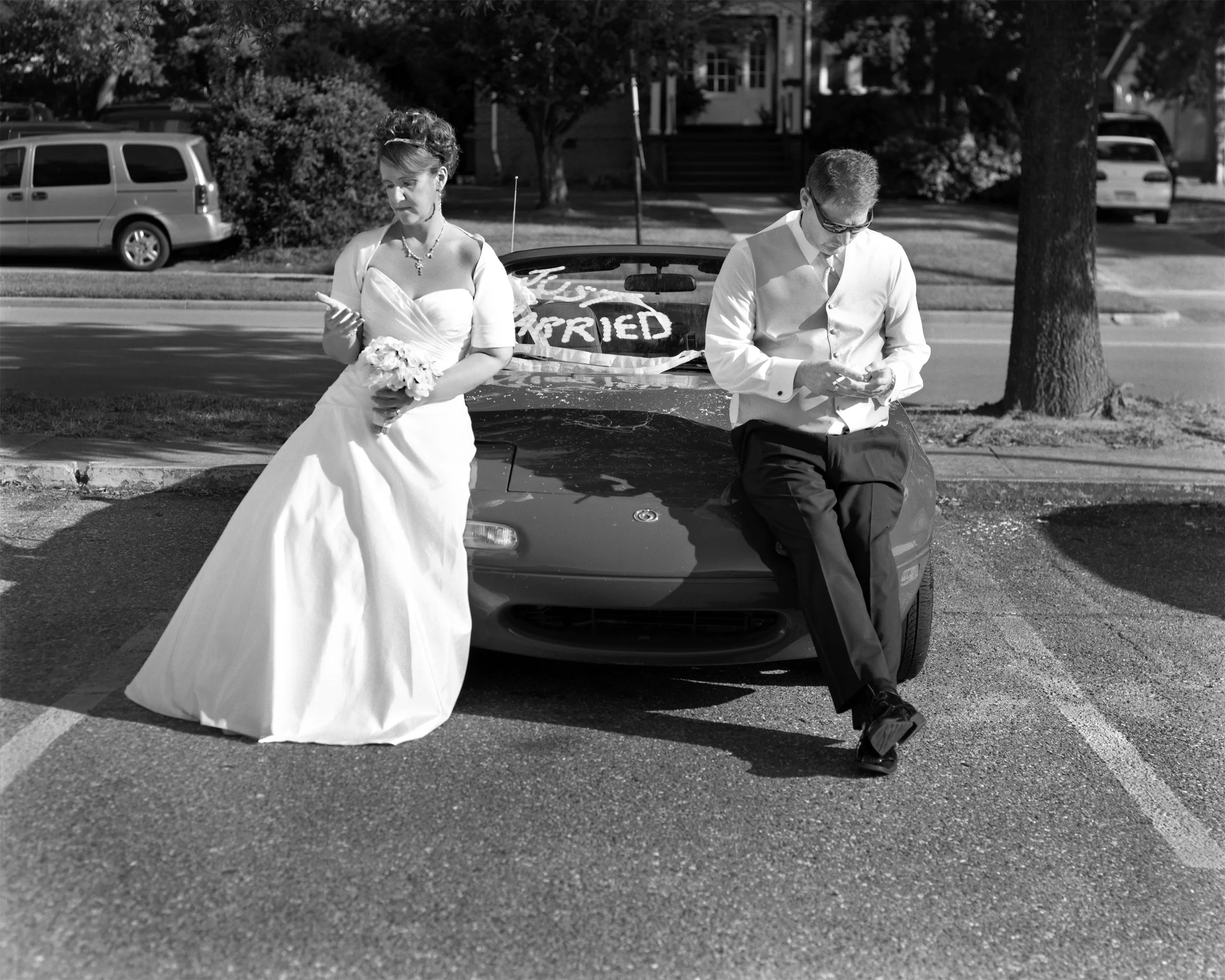
In his photographic series Removed, artist ERIC PICKERSGILL gives visual form to this transformation. Photographing families, couples, and groups in ordinary settings, Pickersgill asks for the phone to be removed from their hands and then creates the image. What remains is a striking absence: people physically together, yet suspended in gestures of attention directed somewhere else entirely.