Guantanamo: If The Light Goes Out
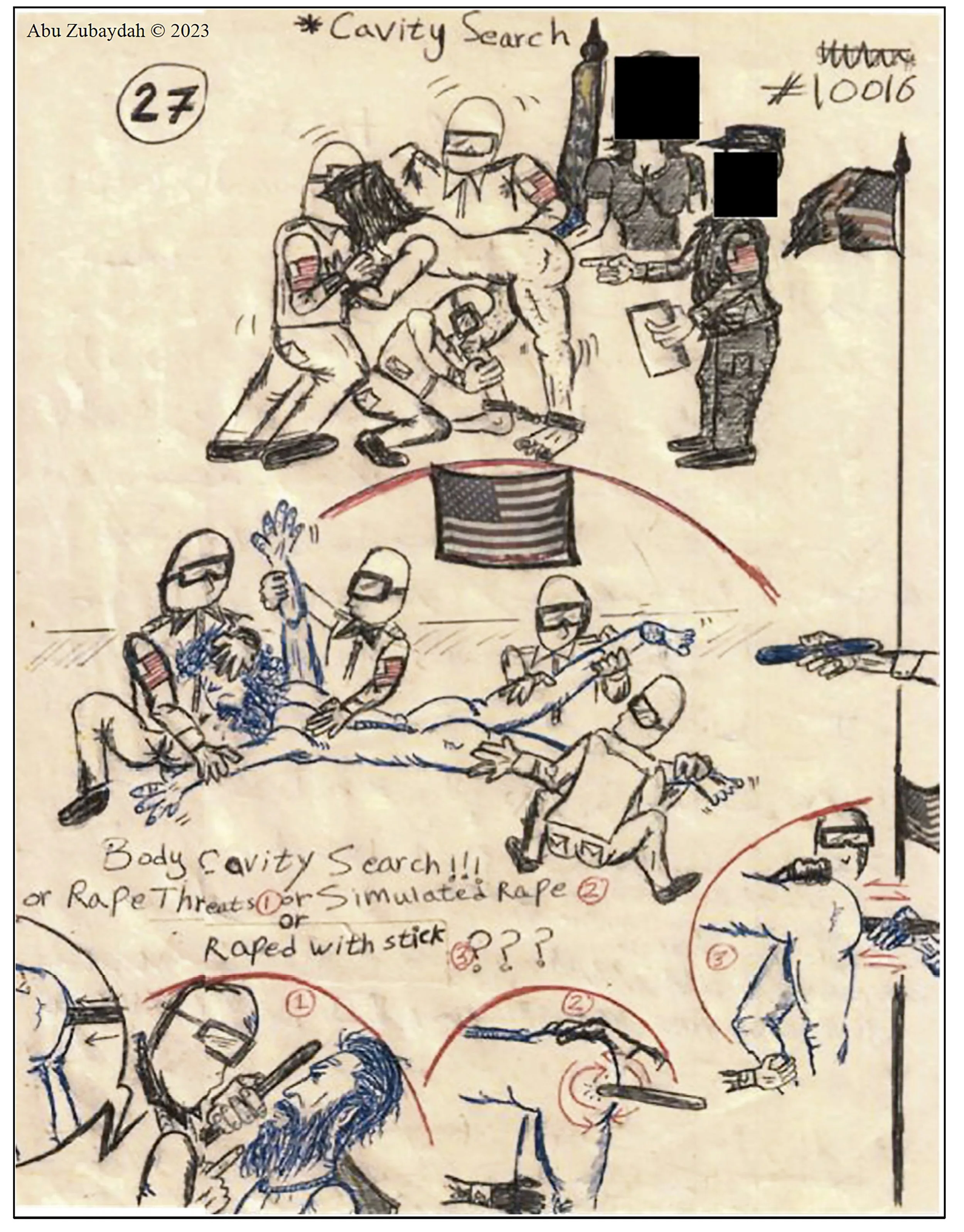
In the years following September 11th, the United States constructed a shadow system of detention and interrogation that operated beyond established legal frameworks. At its center was the naval base at Guantanamo Bay, Cuba, chosen precisely for its legal ambiguity as it’s outside U.S. courts, yet under U.S. control. Alongside Guantanamo, a network of secret CIA “black sites” emerged across the globe, where detainees were held incommunicado and subjected to so-called “enhanced interrogation techniques,” including sleep deprivation, stress positions, and waterboarding. These practices, widely condemned as torture, were justified as necessary tools in the War on Terror, even as they eroded international law and any semblance of moral authority.
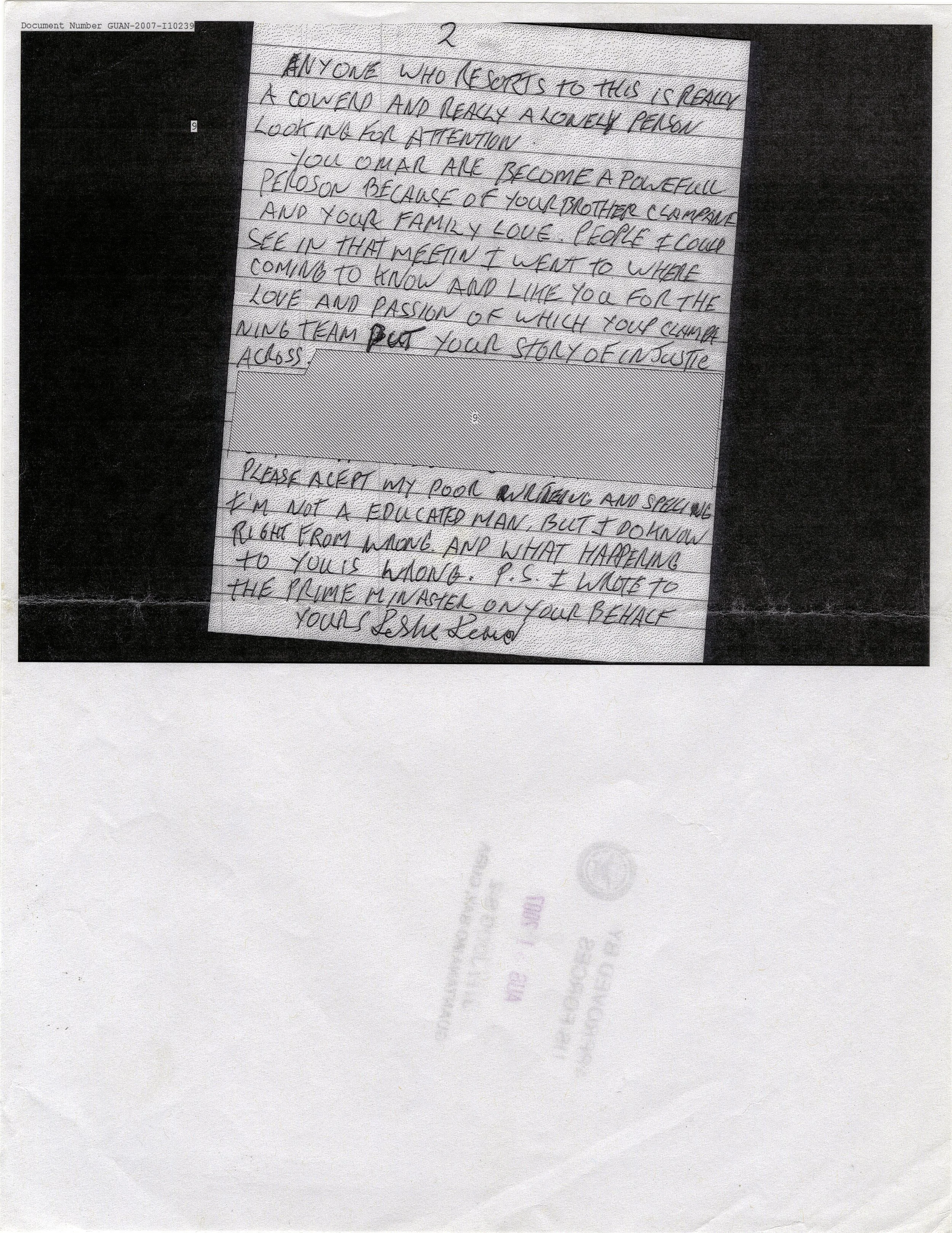
Hundreds of men, almost all Muslim, were detained at Guantanamo, many captured through bounty programs or intelligence errors rather than evidence of wrongdoing. Labeled “the worst of the worst,” most were held for years without charge, trial, or clear path to release. Many were ultimately freed, never accused of any crime, yet permanently marked by the experience.
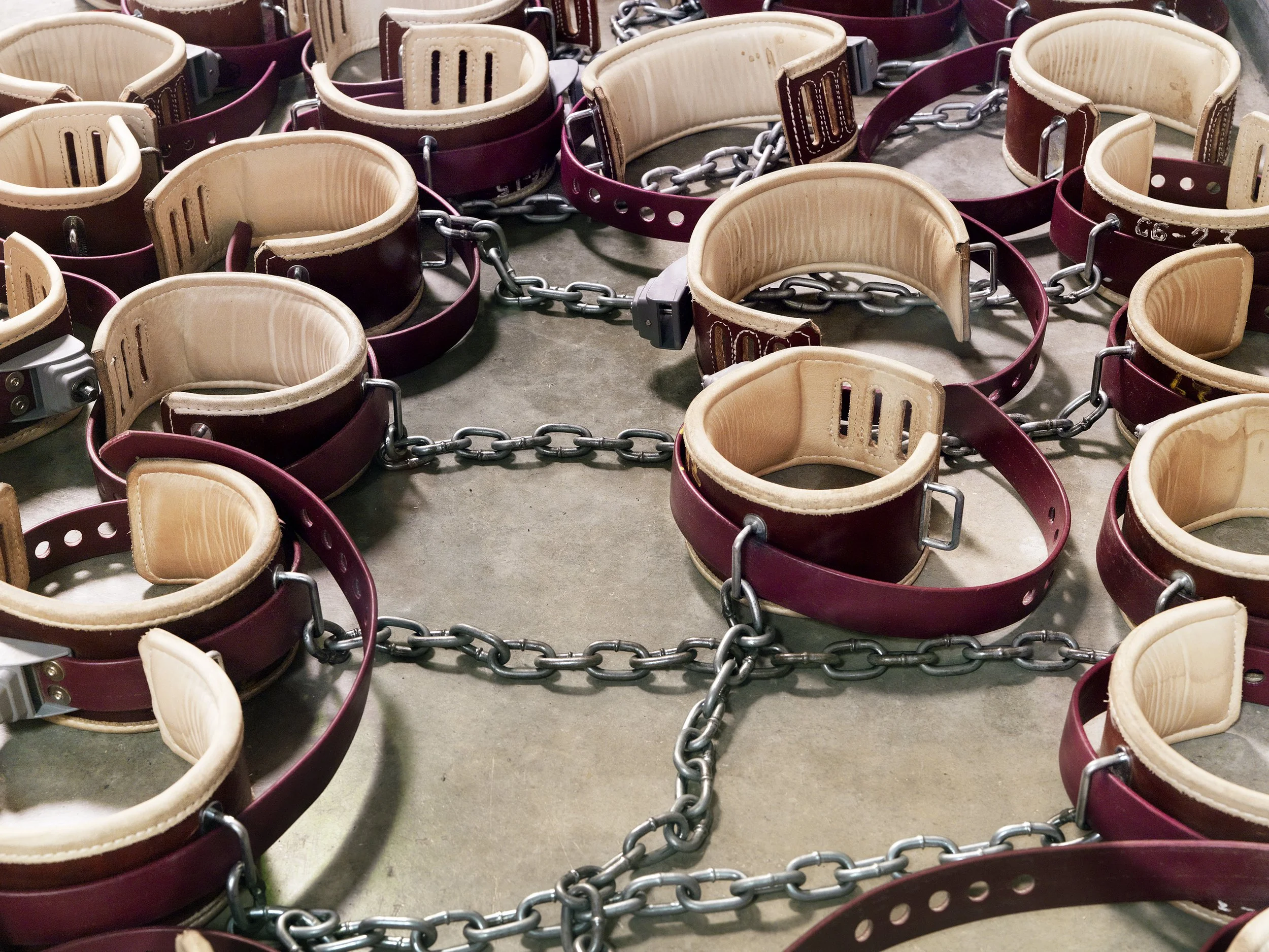
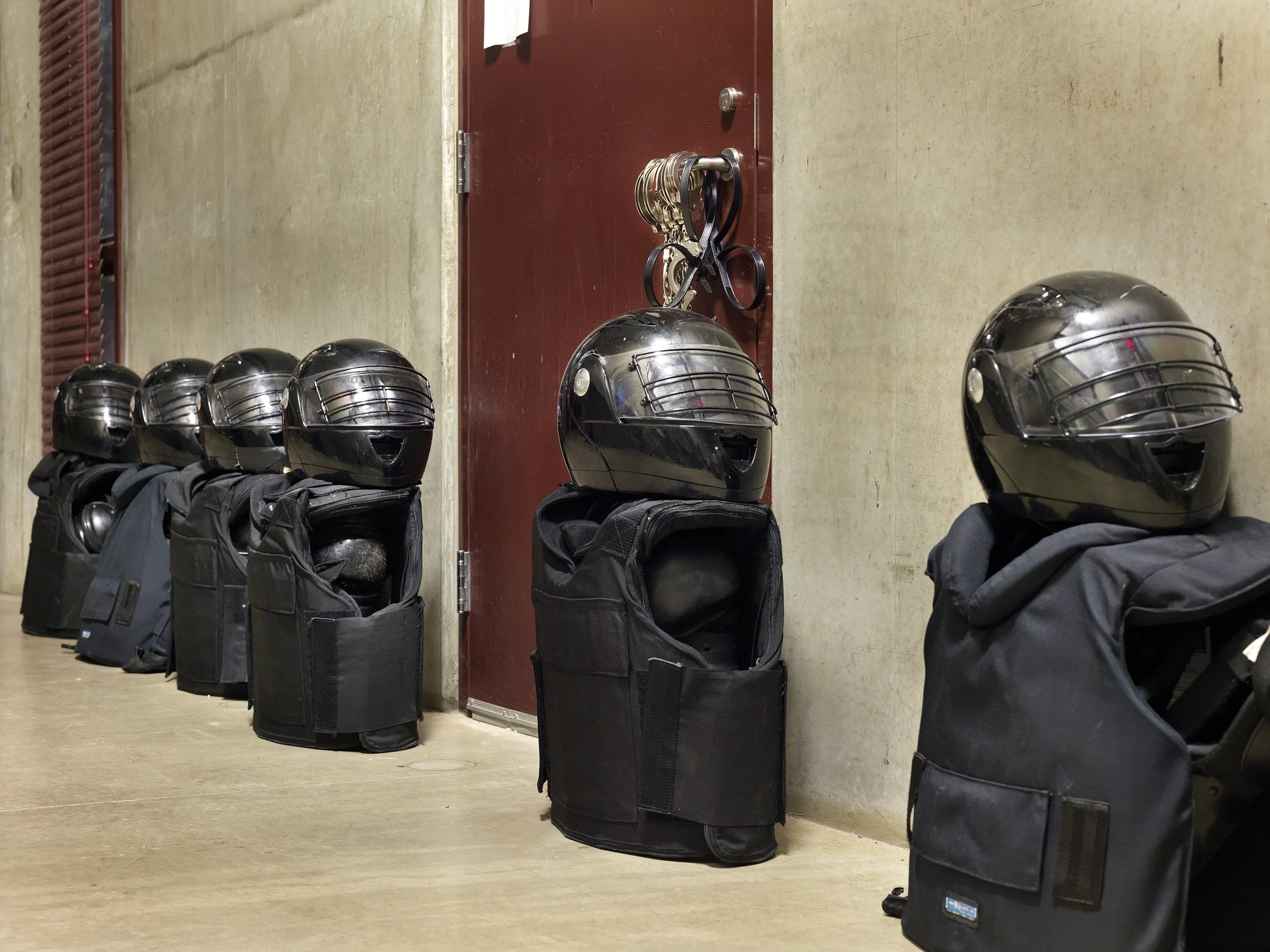
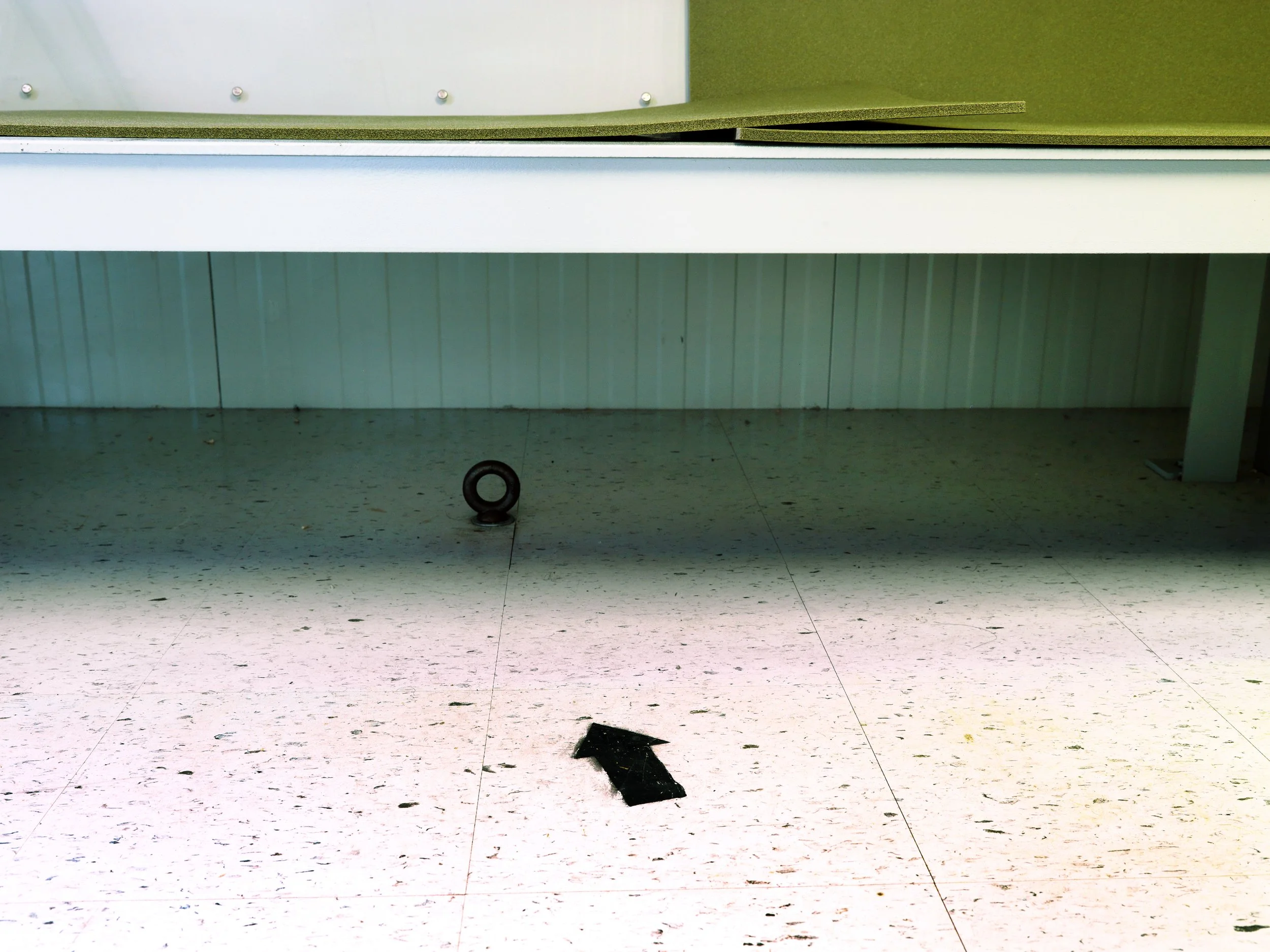
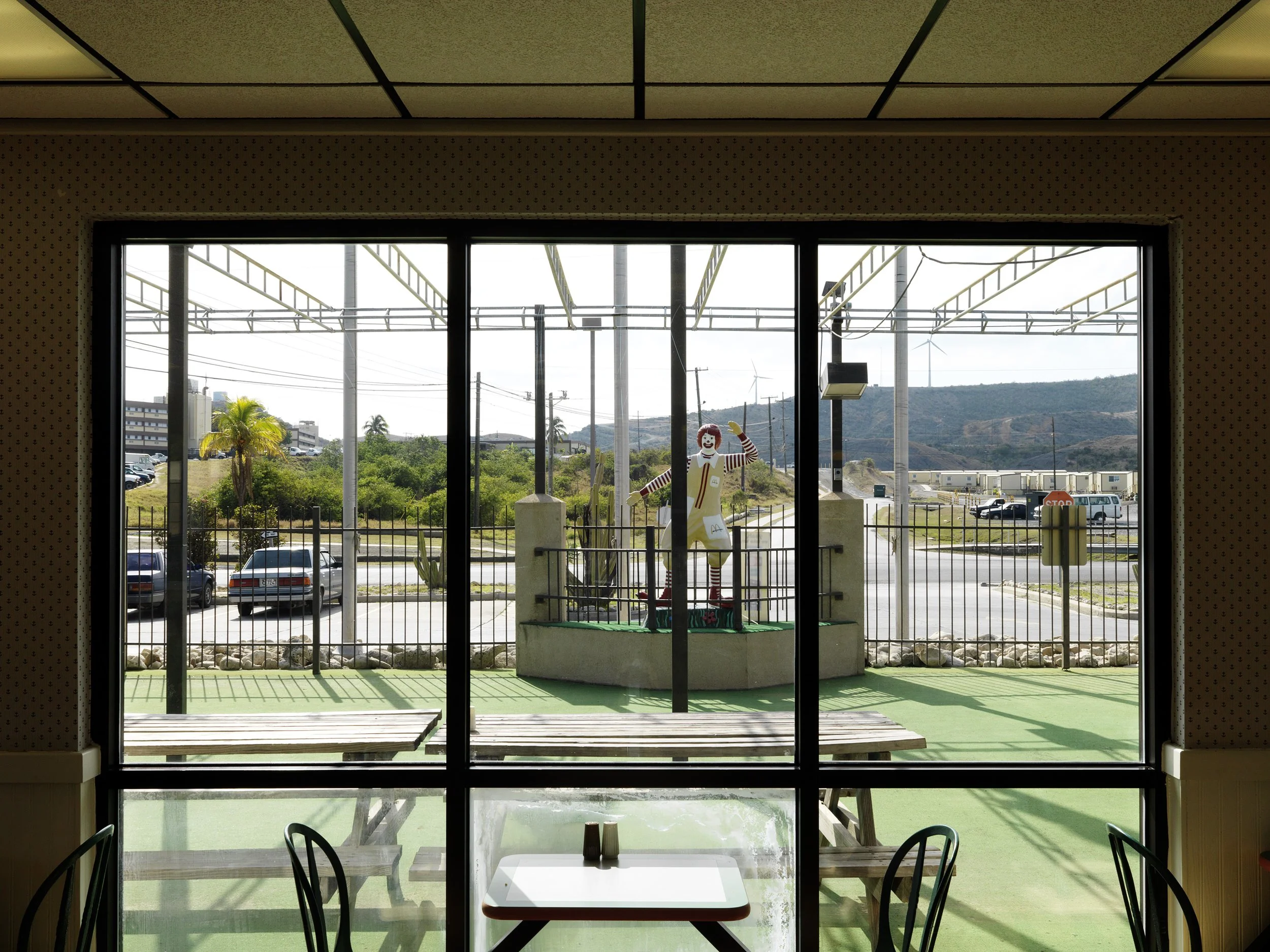
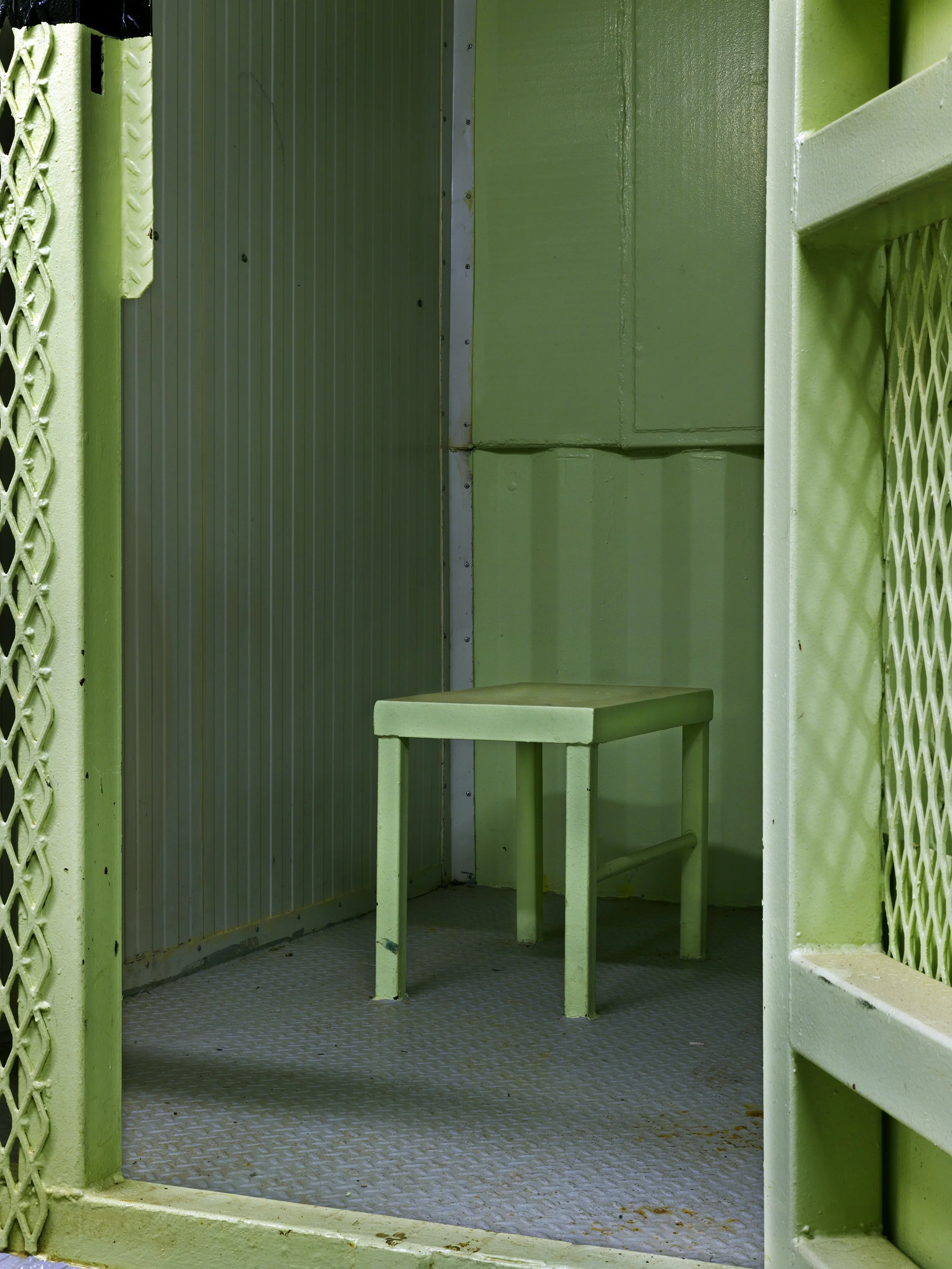
Artist EDMUND CLARK confronts this legacy in his work Guantanamo: If the Light Goes Out. Rather than depicting violence directly, Clark examines spaces—homes, cells, military housing—and the psychological disorientation produced by indefinite detention. By weaving together the environments of guards, detainees, and former prisoners attempting to rebuild their lives, Clark portrays Guantanamo as more than just a place, but instead as a lasting condition.